Gregory Contreras-Pérez1, Hipólito Labandeyra1, Alex Carví-Mallo1
 ORCID
ORCID
Recibido: 2026-03-10
Aceptado:
©2026 El(los) Autor(es) – Esta publicación es Órgano oficial de la Sociedad de Anestesiología de Chile
Revista Chilena de Anestesia Vol. 55 Núm. 5 | https://doi.org/10.25237/revchilanestv55n5-18
PDF
Comparación de los requerimientos de morfina posoperatoria entre una técnica anestésica basada en opioides y una técnica libre de opioides en pacientes con obesidad mórbida sometidos a cirugía bariátrica
Abstract
Background: Opioid-free anesthesia (OFA) has gained increasing attention as a strategy to reduce opioid-related adverse effects, particularly in patients with obesity undergoing bariatric surgery. However, evidence regarding its impact on postoperative opioid consumption and pain control remains inconsistent. This study aimed to compare postoperative morphine requirements and clinical outcomes between OFA and opioid-based anesthesia (OBA) in bariatric surgery. Methods: In this retrospective observational study, 70 patients undergoing laparoscopic bariatric surgery (sleeve gastrectomy or Roux-en-Y gastric bypass) were included. Patients received either opioid-free total intravenous anesthesia (TIVA-OFA) or opioid-based total intravenous anesthesia (TIVA-OBA). The OFA protocol included propofol, dexmedetomidine, ketamine, lidocaine, and magnesium, whereas the OBA protocol consisted of propofol with remifentanil and fentanyl. The primary outcome was cumulative morphine consumption during the first 48 postoperative hours. Secondary outcomes included postoperative pain scores (VAS), Ramsay sedation scale, and perioperative adverse events. Results: Seventy patients were analyzed (35 per group). Baseline demographic characteristics were comparable between groups. Total postoperative morphine consumption at 48 hours was significantly lower in the OFA group compared with the OBA group (2.03 mg vs 11.56 mg). Patients receiving OFA also showed significantly lower postoperative pain scores during the early postoperative period. Postoperative nausea, vomiting, and hypoxemia occurred less frequently in the OFA group, whereas transient intraoperative bradycardia and hypotension were more common but clinically manageable. Conclusion: In patients undergoing bariatric surgery, opioid-free anesthesia significantly reduced postoperative morphine consumption and early postoperative pain compared with opioid-based anesthesia. These findings support the feasibility of OFA as an opioid-sparing strategy in bariatric anesthesia.
Resumen
Background: Opioid-free anesthesia (OFA) has gained increasing attention as a strategy to reduce opioid-related adverse effects, particularly in patients with obesity undergoing bariatric surgery. However, evidence regarding its impact on postoperative opioid consumption and pain control remains inconsistent. This study aimed to compare postoperative morphine requirements and clinical outcomes between OFA and opioid-based anesthesia (OBA) in bariatric surgery. Methods: In this retrospective observational study, 70 patients undergoing laparoscopic bariatric surgery (sleeve gastrectomy or Roux-en-Y gastric bypass) were included. Patients received either opioid-free total intravenous anesthesia (TIVA-OFA) or opioid-based total intravenous anesthesia (TIVA-OBA). The OFA protocol included propofol, dexmedetomidine, ketamine, lidocaine, and magnesium, whereas the OBA protocol consisted of propofol with remifentanil and fentanyl. The primary outcome was cumulative morphine consumption during the first 48 postoperative hours. Secondary outcomes included postoperative pain scores (VAS), Ramsay sedation scale, and perioperative adverse events. Results: Seventy patients were analyzed (35 per group). Baseline demographic characteristics were comparable between groups. Total postoperative morphine consumption at 48 hours was significantly lower in the OFA group compared with the OBA group (2.03 mg vs 11.56 mg). Patients receiving OFA also showed significantly lower postoperative pain scores during the early postoperative period. Postoperative nausea, vomiting, and hypoxemia occurred less frequently in the OFA group, whereas transient intraoperative bradycardia and hypotension were more common but clinically manageable. Conclusion: In patients undergoing bariatric surgery, opioid-free anesthesia significantly reduced postoperative morphine consumption and early postoperative pain compared with opioid-based anesthesia. These findings support the feasibility of OFA as an opioid-sparing strategy in bariatric anesthesia.
Introduction
Obesity has reached epidemic proportions and represents one of the major global public health challenges. According to the World Health Organization, in 2022 approximately 2.5 billion adults (≥ 18 years) were overweight, of whom about 890 million were living with obesity[1]. This condition is associated with a wide range of comorbidities, including hypertension, type 2 diabetes mellitus, obstructive sleep apnea syndrome, and cardiovascular disease, which significantly increase anesthetic and surgical risk[2].
In this context, bariatric surgery has become one of the most effective interventions for weight control and the resolution of metabolic comorbidities, with sustained long-term benefits[3],[4]. Anesthetic management of the obese patient represents a multifactorial clinical challenge[5]. A critical aspect is individualized dosing of anesthetic drugs.
Obesity significantly alters the pharmacokinetics and pharmacodynamics of intravenous agents, affecting volume of distribution, protein binding, and hepatic clearance[6]. Therefore, the use of adjusted bodyweight descriptors such as adjusted total body weight (ATBW) or lean body weight (LBW) is essential for accurate drug administration during total intravenous anesthesia (TIVA) with target-controlled infusion (TCI) systems, particularly when using models such as Schnider or Marsh[7],[8].
The use of these tools, together with processed electroencephalographic monitoring (pEEG), improves control of hypnosis and nociception and reduces the risk of overdosing[8]. Historically, anesthetic management in bariatric surgery has relied on opioid-based anesthesia (OBA) to ensure adequate analgesia and control hemodynamic responses to surgical stress[9]. However, extensive opioid use entails well-known adverse effects: respiratory depression, postoperative ileus, nausea and vomiting (PONV), pruritus, opioid-induced hyperalgesia, and the potential for addiction and dependence[10],[11]. In obese patients, these risks are amplified by the coexistence of obstructive sleep apnea and reduced respiratory reserve, inmientras que la bradicardia e hipotensión intraoperatorias transitorias fueron más comunes, aunque clínicamente manejables. Conclusión: En pacientes sometidos a cirugía bariátrica, la anestesia libre de opioides reduce significativamente el consumo de morfina posoperatoria y el dolor en el período posoperatorio temprano en comparación con la anestesia basada en opioides. Estos hallazgos respaldan la viabilidad de la OFA creasing the likelihood of hypoxemia and postoperative respiratory complications[12].
In response to these limitations, opioid-free anesthesia (OFA) has emerged over the last decade, based on combining non-opioid agents, primarily dexmedetomidine, ketamine, lidocaine, and magnesium, that act on different pain and surgical stress pathways[13],[14]. This strategy aims to minimize respiratory and gastrointestinal adverse effects, promote faster recovery, and reduce postoperative opioid consumption[15]. Several recent studies in bariatric and major abdominal surgery have compared OFA with traditional OBA techniques. Beloeil et al.[16], in a multicenter trial, observed that OFA with dexmedetomidine, lidocaine, and ketamine significantly reduced the incidence of PONV, albeit with a higher frequency of intraoperative bradycardia. Similarly, Berlier et al.[17], reported that OFA in bariatric surgery reduced morphine consumption during the first 24 hours and improved respiratory stability compared with OBA.
Cheng et al.[18], in a recent meta-analysis, confirmed that OFA in laparoscopic surgery is associated with lower opioid consumption and less PONV while maintaining comparable analgesia. However, a meta-analysis by Huh et al.[19], found a statistically significant reduction in pain at 24 hours after surgery with OFA, but the clinical relevance was questionable, and there was no reduction in total postoperative opioid dose, only in the initial period in the post-anesthesia care unit. The present study aligns with this contemporary research by comparing an opioid-free intravenous anesthetic technique (TIVA-OFA) versus an opioid-based technique (TIVA-OBA) in obese patients undergoing bariatric surgery. Our objective was to evaluate the impact of both techniques on postoperative opioid consumption, pain intensity, hemodynamic stability, and adverse-effect incidence, with the aim of providing additional clinical evidence regarding the feasibility and efficacy of OFA in this population, where opioid reduction may have meaningful implications for recovery and postoperative safety. We hypothesized that an opioid-free anesthetic technique (OFA) would significantly reduce postoperative opioid analgesic requirements compared with an opioid-based technique (OBA).
Study design and setting
This observational, retrospective, comparative study was conducted at HM Nou Delfos Hospital, HM Hospitales, Barcelona, Spain. The protocol was approved by the Research Ethics and Medicines Committee (CEIm) in Madrid, Spain (CEIm HM Hospitales code: 25.04.2517-GHM) and registered at ClinicalTrials.gov (NCT 07075302). The study was conducted in accordance with the Declaration of Helsinki and current Spanish regulations; given its retrospective nature, a waiver of informed consent was granted.
Participants
Seventy patients of both sexes, aged 18-65 years, with body mass index (BMI) ≥ 30 kg·m·2 and ASA physical status II–III were included. All underwent elective sleeve gastrectomy or Roux-en-Y gastric bypass (RYGB) at HM Nou Delfos Hospital and received either opioid-based intravenous anesthesia or opioid-free anesthesia. Patients were assigned to two groups according to anesthetic technique: opioid-free anesthesia (TIVA-OFA) and opioid-based intravenous anesthesia (TIVA-OBA). Clinical and anesthetic records were reviewed to analyze and compare the effectiveness of each technique regarding perioperative opioid requirements and potential adverse effects. Hemodynamic records, intraoperative anesthetic and analgesic requirements, and any change in anesthetic technique due to increased requirements or inadequate technique were examined. Postoperative evaluations during the first 48 hours were also reviewed, including pain scores (visual analog scale, VAS), sedation level (Ramsay scale), and recorded adverse effects.
Exclusion criteria
Patients were excluded if pregnant or breastfeeding; if they had chronic pain treated with high-dose opioids; known allergy to study medications; significant renal or hepatic failure (including cirrhosis with signs of portal hypertension); refractory coagulopathy; active substance or alcohol use; or severe uncontrolled psychiatric disorders. Patients reporting pain during the pre-anesthetic evaluation (preoperative VAS) were excluded to ensure pain-free baseline conditions. Additionally, patients with surgical complications preventing continuation of the procedure or those requiring morphine doses above expected averages for these interventions were excluded. Patients converted to open surgery, those undergoing placement or removal of gastric banding, biliopancreatic diversion with duodenal switch, or those with surgical complications requiring reoperation were also excluded.
Perioperative pathway
All patients were treated according to ERAS protocol guidelines for metabolic bariatric surgery. All surgeries were performed by two experienced bariatric surgeons using standardized sleeve gastrectomy and RYGB procedures. Likewise, anesthesia was delivered consistently by the same anesthesiologist following a standardized protocol to minimize variability. All patients received mechanical and pharmacologic thromboprophylaxis.
Monitoring
Standard ASA monitoring was used in the operating room. In addition, qCON along with raw EEG and density spectral array (DSA) were used to assess hypnosis and nociception, together with the qNOX index (Conox Technology, Quantium Medical/ Fresenius Kabi, Barcelona, Spain). Neuromuscular blockade was monitored with train-of-four (TOF) and post-tetanic count (PTC) (TOF Watch SX accelerometer, Organon Ltd., Dublin, Ireland).
Premedication and prophylaxis
Premedication for both groups included intravenous (IV) midazolam (0.02 mg·kg·¹), antibiotic prophylaxis (cefazolin 2 g and metronidazole 1 g), dexamethasone (8 mg), ondansetron (8 mg), and dexketoprofen (50 mg) or, in case of NSAID allergy, metamizole (2 g). Patients in the TIVA-OFA group additionally received a preoperative bolus of magnesium sulfate 40 mg·kg·¹, administered 20-30 minutes before induction.
Induction
After 5 minutes of preoxygenation in the “beach chair” position and careful padding of pressure points to prevent compression injuries[7],[9], patients in the TIVA-OFA group were induced with: propofol target-controlled infusion (TCI, Schnider model, target 2-5 μg·mL-1), dexmedetomidine (1 μg·kg-1·h-1) during the first 10 minutes, ketamine (300 μg·kg-1 IV), lidocaine (1.5 mg·kg-1), and rocuronium (1 mg·kg-1) to facilitate tracheal intubation. Patients in the TIVA-OBA group were induced with an IV bolus of fentanyl 2 μg·kg-1 and TCI infusions of propofol (Schnider model, target 2-5 μg·mL-1) and remifentanil (Minto model, target 3-11 ng·mL-1), plus an IV bolus of rocuronium (1 mg·kg-1).
Maintenance
In the TIVA-OFA group, general anesthesia was maintained with propofol TCI to keep qCON (Conox2D®) between 40 and 60, while primarily aiming-when feasible-for alpha dominance and slow-delta activity on raw EEG and/or DSA and avoiding burst suppression. qNOX was targeted between 40 and 60, with particular attention to detecting beta arousal, alpha dropout, or paradoxical delta as markers of disruptive nociceptive stimuli. As part of the OFA protocol, ketamine (300 μg·kg-1·h-1), lidocaine (2 mg·kg-1·h-1), and dexmedetomidine (0.25 μg·kg1·h-1) were infused. In the TIVA-OBA group, anesthesia was maintained under the same hypnosis and nociception criteria using propofol and remifentanil TCI, with fentanyl boluses of 0.5–1 μg·kg-1 as deemed necessary by the anesthesiologist based on qCON (DSA) and qNOX. Neuromuscular blockade was maintained in both groups with rocuronium to keep TOF ratio at 0 and PTC < 8 (deep neuromuscular blockade). All components of OFA and OBA were individualized. All drug doses were calculated according to adjusted total body weight (ATBW), not only because it is a validated descriptor in obese populations, but also because it improves the predictive performance of the Schnider model by correcting clearance error due to inappropriate estimation of lean body mass by the James equation in morbid obesity. The use of adjusted body weight with Marsh and Schnider models is recommended provided EEG monitoring is available to avoid consequences of underor overdosing[20]. Regarding the remaining drugs, although other descriptors may better fit their pharmacodynamic and pharmacokinetic characteristics, we simplified anesthetic management by using the same ATBW descriptor.
Reversal and extubation
Reversal was performed with sugammadex at 2–4 mg·kg-1, adjusted according to final PTC or TOF values. Patients were extubated in the operating room after reversal once adequate neuromuscular recovery was confirmed.
Surgical technique
All surgeries were performed by two experienced bariatric surgeons using standardized sleeve gastrectomy and Roux-en-Y gastric bypass techniques. Laparoscopic techniques are the gold standard in bariatric surgery.
Sleeve gastrectomy: A calibrated vertical gastrectomy was performed using a 40-Ch Foucher bougie. Roux-en-Y gastric bypass (RYGB): A small gastric pouch (<30 mL) was created and connected to a jejunal Roux limb. Intestinal continuity was restored via an anastomosis between the Roux limb and the excluded biliopancreatic limb. In general, the surgeon stood between the patient’s legs with the patient in lithotomy position. Trocar placement included three 12-mm ports located supraumbilically and along the right and left midclavicular lines, plus one 5-mm port in the right upper quadrant. Mesenteric defects were closed with continuous non-absorbable suture, and a methylene blue test was performed to confirm anastomotic integrity. Pneumoperitoneum-induced intra-abdominal pressure was maintained between 12 and 14 mmHg throughout the procedure.
Postoperative care
After surgery, and following the institutional protocol, all patients remained for 4 hours in the post-anesthesia care unit (PACU), where they were closely monitored using standardized methods, including continuous vital-sign assessment (noninvasive blood pressure, pulse oximetry, and electrocardiography), responsiveness assessed with the Ramsay Sedation Scale (RSS), and pain evaluated using a visual analog scale (VAS). All patients received oxygen therapy via nasal cannula on PACU arrival, and oxygen saturation was maintained above 94%[63]. CPAP (continuous positive airway pressure) or BiPAP (bilevel positive airway pressure) was used as needed, particularly in patients with obstructive sleep apnea syndrome (OSAS), to reduce the risk of reintubation, ICU stay, pneumonia, and sepsis. Pressure points continued to be protected to prevent compression injuries. All patients received standard IV analgesics, including paracetamol 1,000 mg every 8 hours, dexketoprofen 50 mg every 8 hours and/or metamizole 2,000 mg every 8 hours, ondansetron 4 mg, and omeprazole 40 mg every 24 hours. Rescue morphine was administered as needed based on VAS evaluation. Patients with moderate pain (VAS 4–6) or severe pain (VAS 7-10) received 2-3 mg IV morphine every 15 minutes until VAS fell below 4. Pain was monitored hourly during the first four postoperative hours in PACU. Patients were discharged from PACU once discharge criteria were met (Aldrete score > 9). On the ward, morphine was switched to the subcutaneous route, and subsequent assessments were performed every 6 hours. Pain levels were assessed using VAS at predetermined intervals during the first 48 postoperative hours: 1, 2, 4, 24, and 48 hours after surgery. Postoperative pain data were systematically collected by a member of the anesthesia team during the first 4 hours in PACU and thereafter by a nurse from the anesthesia team.
Data collection
Collected variables included demographic data (age, sex, BMI), ASA classification, VAS (at 1, 2, 4, 24, and 48 postoperative hours), morphine dose administered, Ramsay score, surgery duration, complications/adverse effects, and length of hospital stay. The primary outcome was cumulative intravenous morphine consumption (mg) during the first 48 postoperative hours, as recorded in the electronic medical record. Secondary outcomes included baseline data (age, sex, weight, height, BMI), postoperative pain intensity measured by VAS (0–10) at 1, 2, 4, 24, and 48 hours after surgery, adverse events (e.g., hypotension, bradycardia, PONV), surgical parameters (procedure duration in minutes and type of procedure: sleeve gastrectomy or RYGB), and postoperative recovery (time to awakening after anesthesia and hospital length of stay [total number of days from surgery to discharge]).
Satistical analysis
Descriptive statistics were summarized using absolute and relative frequencies for qualitative variables, whereas numerical variables were described by their sample mean, standard deviation (SD), and the corresponding 95% confidence intervals (95% CI) for the mean. Confidence intervals were estimated using parametric methods when normality assumptions were satisfied, and non-parametric resampling methods otherwise. Chi-squared tests (Pearson, 1901) were applied to evaluate homogeneity between categorical variables across the studied groups. In addition, a Principal Component Analysis (PCA) was performed on patient-intrinsic quantitative variables, including Age, Weight, Height, Body Mass Index (BMI), and Adjusted Total Body Weight (ATBW). This analysis was complemented by Hotelling’s T2 test (Hotelling, 1933; Roy, 1953) to assess multi-
variate differences in group means. The main outcome variables were analyzed to assess statistical differences in mean values between groups. Accordingly, parametric or non-parametric hypothesis tests for mean comparisons (Student, 1908; Wilcoxon, 1945) were conducted at each recorded time point (1 h, 2 h, 4 h, 24 h, and 48 h) for the Visual Analogue Scale (VAS), Ramsay scale, and morphine administration (mg). Total postoperative morphine consumption was also analyzed. All analyses and graphical outputs were performed using ad hoc scripts developed in the R programming language (R Core Team, 2024).
Statistical results
The study included 70 observations: 35 in the OBA group and 35 in the OFA group. Overall, the mean demographic values were as follows: age 40.04 (± 12) years; weight 117.94 (±23.87) kg; height 166.11 (± 7.95) cm; ATBW 86.84 (± 12.8) kg; and BMI 42.6 (± 6.98) kg/m2 (Table 1). The OBA group included 25 women (71%) and 10 men (29%), whereas the OFA group included 24 women (69%) and 11 men (31%). The Chi-squared test comparing sex proportions between groups, as well as the remaining categorical variables, did not show significant differences (P-value > 0.05; Table 2), suggesting overall homogeneity between the samples. This finding was further supported by the PCA results, which showed substantial overlap between groups in the space defined by the first two principal components, as well as by the non-significant result of Hotelling’s T² test for multivariate mean differences (Figure 1). The VAS scale analysis revealed significant differences between groups at all postoperative time points (P-value < 0.05), with the OFA strategy consistently showing lower pain levels. The Ramsay scale showed little variability in both groups; however, statistically significant differences were observed at 1 and 2 hours. Morphine consumption was significantly lower in the OFA group at the recorded time points (1, 2, and 4 hours) (Figure 2). Finally, total postoperative morphine consumption was also significantly lower in the OFA group (Figure 3).
Table 1. Mean, standard deviation and 95% CI for the mean of the main patient’s variables
| OBA Group | OFA Group | Global | |||||||
|---|---|---|---|---|---|---|---|---|---|
| Variable | Mean | SD | Mean 95% CI | Mean | SD | Mean 95% CI | Mean | SD | Mean 95% CI |
| Age | 39.14 | 12.56 | 34.83-43.46 | 40.94 | 11.54 | 36.98-44.91 | 40.04 | 12 | 37.18-42.9 |
| Weight | 117.82 | 19.53 | 111.11-124.53 | 118.06 | 27.84 | 112.57-123.95 | 117.94 | 23.87 | 112.24-123.63 |
| Height (cm) | 165.54 | 7.86 | 164.22-166.91 | 166.69 | 8.12 | 163.90-169.47 | 166.11 | 7.95 | 164.22-168.01 |
| ATBW | 86.45 | 11.00 | 84.45-88.83 | 87.23 | 14.53 | 84.24-90.12 | 86.84 | 12.8 | 83.79-89.89 |
| BMI | 42.94 | 5.96 | 40.89-44.99 | 42.25 | 7.94 | 40.84-43.80 | 42.6 | 6.98 | 40.93-44.26 |
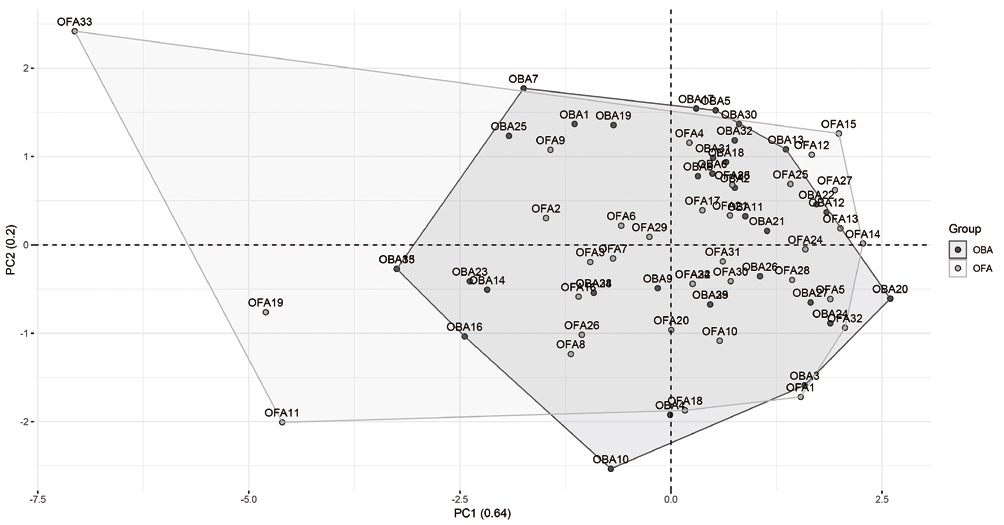
Figure 1. Principal component analysis (PCA) of baseline patient characteristics.
Scatter plot showing the distribution of patients in the space defined by the first two principal components based on age, weight, height, body mass index (BMI), and adjusted total body weight (ATBW). Substantial overlap between the opioid-based anesthesia (OBA) and opioid-free anesthesia (OFA) groups indicates baseline demographic homogeneity.
Discussion
In this retrospective cohort, a TIVA-OFA strategy (propofol guided by qCON/EEG [raw and DSA] and qNOX, with ketamine, lidocaine, dexmedetomidine, and magnesium) was associated with a marked reduction in cumulative morphine consumption at 48 hours (2.03 mg vs 11.56 mg) and lower VAS scores during the first 24 hours, with less PONV and postoperative hypoxemia compared with TIVA-OBA (remifentanil, fentanyl), albeit with more intraoperative bradycardia/hypotension, which was self-limited. These findings partially align with recent literature in bariatric and abdominal surgery: several studies and meta-analyses describe reduced PONV and often reduced early intra-/postoperative opioid use with OFA, but heterogeneous results regarding pain at 24-48 hours and safety signals related to dexmedetomidine-associated hemodynamic effects[21]-[25].
In bariatric surgery, a recent multicenter study using an OFA protocol (dexmedetomidine-ketamine-lidocaine) in laparoscopic/robotic procedures did not demonstrate lower 24-hour opioid consumption compared with a fentanyl-based technique, but did observe comparable overall safety, underscoring the importance of the cocktail and doses used[21]. By contrast, earlier prospective series and randomized controlled trials (RCTs) reported less morphine and less PONV after bariatric surgery with OFA[18],[23],[26],[27].
A study that added magnesium, as in our protocol, showed reduced early morphine use after open surgery.²³ In light of this, the magnitude of effect observed in our series (a 9.5 mg morphine difference over 48 hours and 54.5% of patients requiring no opioid rescue) appears greater than typical reports and may be related to systematic magnesium inclusion, continuous lidocaine and ketamine infusions at doses that may be considered in the upper recommended range (but calculated using ATBW), and guidance by qCON/ qNOX and EEG (raw and DSA)[20]. Moreover, raw EEG and DSA pattern targets (alpha and slow-delta dominance; detection of beta arousal, alpha dropout, and paradoxical delta), together with qNOX and hemodynamic monitoring, may have enabled a more rational anesthetic approach and may represent a key factor explaining differences from other reports[18],[23],[24]. In major abdominal surgery (laparoscopic and open), recent meta-analyses indicate that OFA reduces PONV and early rescue analgesic requirements (e.g., within the first 2 hours), but does not consistently improve pain or opioid consumption at 24 hours, with substantial heterogeneity in regimens (doses, drugs, monitoring)[23],[24],[27].
Additionally, the POFA trial by Beloeil et al[16], in noncardiac surgery (OFA with dexmedetomidine vs remifentanil, both with multimodal analgesia) was stopped due to significant bradycardia and showed more serious adverse events in the OFA group despite reduced PONV and morphine use. The main safety concern with dexmedetomidine is hypotension and bradycardia. Loading doses and/or maintenance doses > 0.5 μg·kg-1·h-1 often lead to these effects, which can be mitigated by using lower infusion rates (0.1–0.3 μg·kg1·h-1) and omitting a loading dose[28]. Under ERAS protocols, these effects often require countermeasures in approximately 55% of cases (fluids, phenylephrine, ephedrine). In our cohort, bradycardia/hypotension was more frequent with OFA, without relevant clinical consequences, responding to fluids and vasopressors. The incidence of hypotension and bradycardia in TIVA-OFA was 11.42% compared with 5.71% in TIVA-OBA, which may be considered low. This could be related to our maintenance dose of 0.25 μg·kg-1·h-1 and the use of ATBW as the dosing basis (as with other drugs). Our surgery-type analysis suggests OFA might be less effective in shorter procedures (sleeve gastrectomy), where the sum of adjuvants and preventive analgesia may offer fewer benefits (more early pain and more rescue doses), while still maintaining a favorable and statistically significant advantage over OBA. A plausible explanation is a shorter time for drug “impregnation.” This hypothesis is consistent with laparoscopic meta-analyses indicating early OFA benefits rather than sustained differences at 24-48 hours[23],[29].
Although OFA is feasible in bariatric surgery, superiority over multimodal opioid-sparing anesthesia remains debated. Protocol heterogeneity (adjuvants and dosing regimens: ideal body weight, lean mass, or adjusted weight) likely contributes to inconsistent findings. Some studies show reduced morphine requirements with OFA, while other meta-analyses do not confirm a significant reduction in total postoperative opioid consumption.
From an ERAS perspective in bariatric surgery, guidelines promote opioid-sparing multimodal strategies; they do not require complete OFA, but they do endorse minimizing opioids and using anti-inflammatory drugs, systemic lidocaine, ketamine, and routine antiemetics[11],[27]. Our results suggest that in a setting with standardized protocols and systematic antiemetic prophylaxis, an OFA strategy may extend the ERAS philosophy further in terms of PONV reduction and rescue needs, provided close hemodynamic monitoring is ensured. Overall, our study adds evidence favoring OFA in bariatric surgery to reduce 48-hour opioid use and improve early comfort, with expected hemodynamic events associated with lowdose alpha-2 agonists. However, recent literature is not unanimous: while some RCTs and reviews do not find superiority over well-executed opioid-sparing strategies, there is increasing agreement regarding reduced PONV and OFA feasibility when delivered by trained teams with appropriate monitoring[18],[19],[21]-[25],[27].
Table 2. Main statistical comparisons for qualitative variables between OBA and OFA
| Null hypothesis | Contrsat | Statistic | DF | P-value |
|---|---|---|---|---|
| Sex vs. Group | X2 = 1.617 | 1 | 0.2 | |
| Homogeneity between groups | Surgical Intervention vs. Group | X2 = 10.98 | 3 | 0.38 |
| Comorbidities vs. Group | X2 = 2.5 | 1 | 0.12 | |
| Adverse effects at 1 h vs. Group | X2 = 2.33 | 1 | 0.126 |
Table 3. P-values for comparisons between OBA and OFA strategies at different times
| Time After Surgery | |||||
|---|---|---|---|---|---|
| 1 h | 2 h | 4 h | 24 h | 48 h | |
| VAS | < 0.05 | < 0.05 | < 0.05 | < 0.05 | < 0.05 |
| Ramsay | < 0.05 | < 0.05 | NA | NA | NA |
| Morphine | < 0.05 | < 0.05 | < 0.05 | NA | NA |
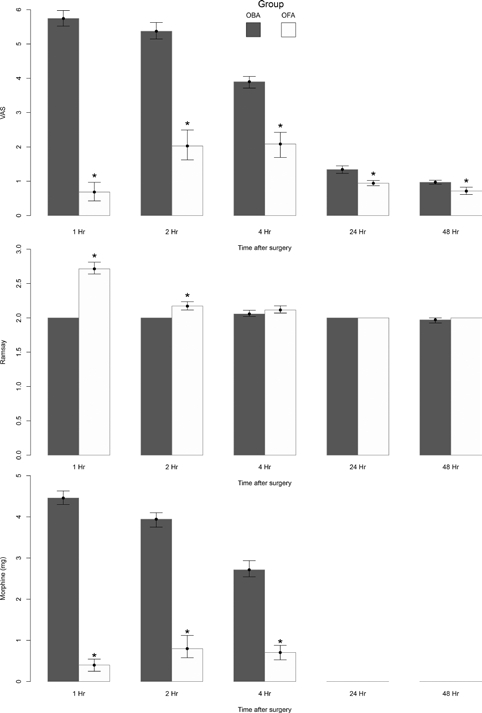
Figure 2. Postoperative morphine consumption and pain scores during the first postoperative hours.
Comparison between opioid-free anesthesia (OFA) and opioid-based anesthesia (OBA) groups showing morphine consumption and visual analog scale (VAS) scores at 1, 2, and 4 hours after surgery. The OFA group demonstrated significantly lower morphine requirements and lower pain scores compared with the OBA group.
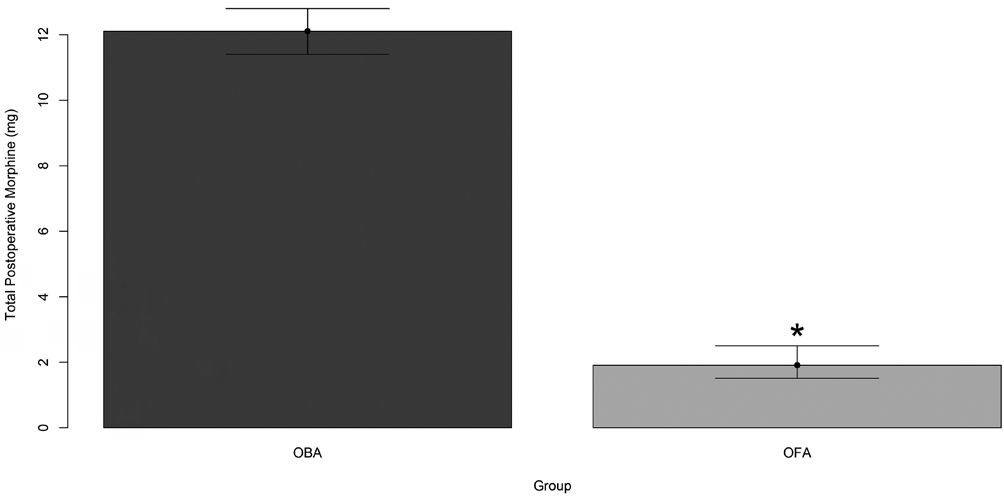
Figure 3. Total postoperative morphine consumption during the first 48 hours.
Comparison of cumulative morphine consumption between the opioid-free anesthesia (OFA) and opioid-based anesthesia (OBA) groups during the first 48 postoperative hours. Patients receiving OFA required significantly lower total morphine doses than those receiving OBA.
Conclusions
In patients with obesity undergoing sleeve gastrectomy or gastric bypass, a TIVA-OFA protocol with ketamine–lidocaine–dexmedetomidine-magnesium guided by qCON/EEG (raw and DSA) and qNOX reduced morphine consumption at 48 hours and early pain scores, and decreased PONV and hypoxemia compared with OBA. These benefits align with meta-analyses and several bariatric/abdominal studies regarding PONV and early postoperative opioid requirements, although some recent RCTs do not confirm sustained advantages in postoperative opioid consumption or 24-hour pain scores, particularly when the comparator is optimized opioid-sparing anesthesia. Bradycardia/hypotension was more frequent with OFA, consistent with prior dexmedetomidine trials; in this series, events were manageable and did not affect awakening time or hospital length of stay. Choice of adjuvants (dexmedetomidine, magnesium, lidocaine, ketamine), dosing, and pEEG monitoring may explain the magnitude of the observed effect.
Limitations
Retrospective comparative design and modest sample size (n = 70): risk of selection bias and residual confounding. No randomization/blinding: knowledge of technique may influence rescue administration and pain assessment. Within-group heterogeneity: individualized dosing, variable surgical duration, and mixed procedures (sleeve/RYGB/duodenal switch). Follow-up limited to 48 hours: no medium-term outcomes (readmissions, opioid use at 30-90 days, hyperalgesia, satisfaction). Safety reporting: although hemodynamic events were mild, cumulative vasopressor doses and functional recovery metrics were not detailed. Generalizability: single-center protocol using nociception (qNOX) and EEG monitoring not universally available.
Referencias
1. World Health Organization. Obesity and overweight Fact sheet. Geneva: WHO; published 7 May 2025. Disponible en: https://www.who.int/news-room/fact-sheets/detail/obesity-and-overweight
2. Mechanick JI, Apovian C, Brethauer S, Garvey WT, Joffe AM, Kim J, et al. Clinical practice guidelines for the perioperative nutrition, metabolic, and nonsurgical support of patients undergoing bariatric procedures 2020 update. Endocr Pract. 2019;25(12):13461359.
3. Rubino F, Cohen RV, Mingrone G, Arterburn DE, le Roux CW, Mechanick JI, et al. Bariatric and metabolic surgery during and after the COVID-19 pandemic: DSS recommendations. Lancet Diabetes Endocrinol. 2020;8(7):640-8.
4. Arterburn DE, Courcoulas AP. Bariatric surgery for obesity and metabolic conditions in adults. BMJ. 2014 Aug 27:349:g3961. https://doi.org/10.1136/bmj.g3961 PMID: https://pubmed.ncbi.nlm.nih.gov/25164369.
5. Ogunnaike BO, Jones SB, Jones DB, Provost D, Whitten CW. Anesthetic considerations for bariatric surgery. Anesth Analg. 2002;95(6):1793-805.
6. Ingrande J, Lemmens HJM. Dose adjustment of anaesthetics in the morbidly obese. Br J Anaesth. 2010;105 Suppl 1:i16-23.
7. Eleveld DJ, Colin P, Absalom AR, Struys MMRF. Pharmacokinetic-pharmacodynamic model for propofol for broad application in anaesthesia and sedation. Br J Anaesth. 2018;120(5):942-59. https://doi.org/10.1016/j.bja.2018.01.018 PMID: https://pubmed.ncbi.nlm.nih.gov/29661412.
8. Cortínez LI, Anderson BJ, Penna A, Olivares L, Muñoz HR, Holford NH, Struys MM, Sepulveda P. Influence of obesity on propofol pharmacokinetics: derivation of a paharmacokinetic model. Br J Anaesth. 2010 Oct;105(4):448-56. https://doi.org/10.1093/bja/aeq195 PMID: https://pubmed.ncbi.nlm.nih.gov/20710020.
9. Sameh A A. Opioid-Free Anesthesia in Morbid Obese Patients: Review Article. J Anest & Inten care med. 2020; 11(1): 555803.
10. Oderda GM, Evans RS, Lloyd J, Lipman AK, Chen C, Ashburn M, et al. Cost of opioid-related adverse drug events in surgical patients. J Pain Symptom Manage. 2003 Mar;25(3):276-83.
11. Wuyts SCM, Devlin MJ, Pouwels S, Bierma-Zeinstra SMA, van Dijk M, Herring SJ, et al. Opioid analgesics after bariatric surgery: risks and patterns of persistent use. J Clin Med. 2023 Jun 27;12(13):4296. https://doi.org/10.3390/jcm12134296 PMID: https://pubmed.ncbi.nlm.nih.gov/37445331.
12. De Baerdemaeker LE, Margarson MP. Morbid obesity and anaesthesia: pharmacology and anaesthetic management. BJA Educ. 2016;16(12):417-23.
13. Beloeil H, Besset S, Jambou P, Couffignal C, Durand F, Dubout E, et al. Opioid-free anaesthesia in adults: a multicentre randomized controlled trial (OFA-RAFAEL). Anaesthesia. 2022;77(10):1115-26. https://doi.org/10.1111/anae.16382 PMID: https://pubmed.ncbi.nlm.nih.gov/39037325.
14. Lo A, Schraag S. Opioid-free anesthesia: primum non nocere-A call for safer practice. Anesth Analg. 2022;134(1):14-6.
15. Feenstra ML, Memtions M, van Dongen EPC, Baas P, Veen A, Fijen JW, et al. Opioid-free anesthesia: a systematic review and meta-analysis. J Clin Anesth. 2023;90:111215.
16. Beloeil H, Garot M, Lebuffe G, Gerbaud A, Bila J, Cuvillon P, et al. Balanced opioid-free anesthesia with dexmedetomidine vs balanced anesthesia with remifentanil for major noncardiac surgery: the POFA trial. Anesthesiology. 2021;134(4):541-51.
17. Berlier J, Carabalona JF, Tête H, Bouffard Y, Le-Goff MC, Cerro V, et al. Effects of opioid-free anesthesia on postoperative morphine consumption after bariatric surgery. J Clin Anesth. 2022;81:110906.
18. Cheng L, Wu J, Luo W, Sun X, Zhou S, Xu J, et al. Opioid-free anaesthesia for laparoscopic surgery: systematic review and meta-analysis of randomized controlled trials. BMJ Open. 2025;15:e085988.
19. Huh YJ, Lee JH, Kim TK. Enhanced Recovery After Surgery (ERAS) in bariatric surgery. Ann Surg Treat Res. 2021;101(1):1-7.
20. Cortínez LI, De la Fuente N, Eleveld DJ, Oliveros A, Crovari F, Sepulveda P, et al. Performance of propofol target-controlled infusion models in the obese: pharmacokinetic and pharmacodynamic analysis. Anesth Analg 2014; 119: 302-10.
21. Pérez JJ, Strunk JD, Preciado OM, DeFaccio RJ, Chang LC, Mallipeddi MK, et al. Effect of an opioid-free anesthetic on postoperative opioid consumption after laparoscopic or robotic bariatric surgery: a randomized controlled trial. Reg Anesth Pain Med. 2025;50(9):699-707. https://doi.org/10.1136/rapm-2024-105632 PMID: https://pubmed.ncbi.nlm.nih.gov/38839427.
22. Dagher C, [otros autores si están en el artículo]. Opioid-free anesthesia in bariatric surgery: a prospective randomized study. Eur J Med Res. 2025; 30.
23. Jabbour H, Jabbour K, Abi Lutfallah A, Abou Zeid H, Nasser-Ayoub E, Abou Haidar M, et al. Magnesium and ketamine reduce early morphine consumption after open bariatric surgery: randomized double-blind study. Obes Surg. 2020;30(4):1452-1458. https://doi.org/10.1007/s11695-019-04317-1 PMID: https://pubmed.ncbi.nlm.nih.gov/31838622.
24. da Silveira CAB, de Sá Tinoco PA, Campos GO, et al. Opioid-free anesthesia for minimally invasive abdominal surgery: systematic review and meta-analysis. Anaesth Crit Care Pain Med. 2024. https://doi.org/10.1007/s12630-024-02831-0 PMID: https://pubmed.ncbi.nlm.nih.gov/39500840.
25. Aktimur R, Altun H. Enhanced recovery after surgery in bariatric and metabolic surgery: ERAS Society guidelines & evidence. Ann Laparosc Endosc Surg. 2021;6:20.
26. Qian XL, et al. Opioid-free total intravenous anesthesia with dexmedetomidine, esketamine, and lidocaine: feasibility RCT. Front Med (Lausanne). 2023;10. https://doi.org/10.14740/jocmr5000 PMID: https://pubmed.ncbi.nlm.nih.gov/37822850.
27. Clanet M, Delaunay L, Larcher R, et al. Effect of opioid-free versus opioid-sparing strategies during bariatric surgery. BJA Open. 2024;3(2):100185. https://doi.org/10.1016/j.bjao.2024.100263. PMID: https://pubmed.ncbi.nlm.nih.gov/38435809.
28. Lee S. Dexmedetomidine: present and future directions. Korean J Anesthesiol. 2019;72(4):323-
29. Contreras Pérez G, Frederico Avendaño C, Cortínez LI, Giménez Crouseilles J, Carví Mallo A. The Postoperative Lidocaine and Ketamine Effects on Morphine Requirement in Bariatric Surgery. Obesity Surgery. 2025. https://doi.org/10.1007/s11695-025-07689-9 PMID: https://pubmed.ncbi.nlm.nih.gov/40095182.