Mohamed Ashraf Hafez1, Mohammed Adel Hegazy1, Amer Abdallah Attia1, Ebrahim Eltnany1
 ORCID
ORCID
Recibido: 2025-12-15
Aceptado: 2026-01-24
©2026 El(los) Autor(es) – Esta publicación es Órgano oficial de la Sociedad de Anestesiología de Chile
Revista Chilena de Anestesia Vol. 55 Núm. 3 | https://doi.org/10.25237/revchilanestv55n3-10
PDF
Bloqueo intercostal romboide y subserrato guiado por ultrasonido versus bloqueo subcostal del transverso del abdomen en cirugías abiertas del abdomen superior
Abstract
Background: Upper abdominal operations are very well known for their severe postoperative pain levels. A range of complications may arise, when this pain is not controlled increasing as slowing the patient’s overall recovery and increasing morbidity and mortality. The RISS block has recently emerged as a promising regional technique for providing analgesia to the upper abdominal region and chest wall. Aim: To compare the analgesic performance of US-guided RISS block with that of the subcostal TAP block in cases undergoing open upper abdominal surgery (UAS). Methods: This prospective, randomized comparative study lasted one year and included 74 cases scheduled to undergo open UAS. Subjects were randomized into two equal groups: RISS block group and subcostal TAP block group. Morphine consumption in the 24 hours after surgery was recorded and pain level was measured using the VAS during movement and at rest at 2, 4, 6, 12, and 24 hours after surgery. Results: At the 24-hour mark, morphine consumption in the RISS group was substantially lower than in the subcostal TAP group. However, there were no marked intergroup variations in total intraoperative fentanyl use; intraoperative or postoperative hemodynamic parameters; postoperative VAS scores at rest or during movement at 2, 4, 6, 12, and 24 hours; incidence of adverse effects; patient satisfaction; or hospital stay length. Conclusion: The US-guided RISS block may also serve as an effective alternative to the subcostal TAP block, providing satisfactory postoperative pain control in cases undergoing open UAS.
Resumen
Background: Upper abdominal operations are very well known for their severe postoperative pain levels. A range of complications may arise, when this pain is not controlled increasing as slowing the patient’s overall recovery and increasing morbidity and mortality. The RISS block has recently emerged as a promising regional technique for providing analgesia to the upper abdominal region and chest wall. Aim: To compare the analgesic performance of US-guided RISS block with that of the subcostal TAP block in cases undergoing open upper abdominal surgery (UAS). Methods: This prospective, randomized comparative study lasted one year and included 74 cases scheduled to undergo open UAS. Subjects were randomized into two equal groups: RISS block group and subcostal TAP block group. Morphine consumption in the 24 hours after surgery was recorded and pain level was measured using the VAS during movement and at rest at 2, 4, 6, 12, and 24 hours after surgery. Results: At the 24-hour mark, morphine consumption in the RISS group was substantially lower than in the subcostal TAP group. However, there were no marked intergroup variations in total intraoperative fentanyl use; intraoperative or postoperative hemodynamic parameters; postoperative VAS scores at rest or during movement at 2, 4, 6, 12, and 24 hours; incidence of adverse effects; patient satisfaction; or hospital stay length. Conclusion: The US-guided RISS block may also serve as an effective alternative to the subcostal TAP block, providing satisfactory postoperative pain control in cases undergoing open UAS.
Introduction
Effective postoperative pain management facilitates optimal recovery, reduces the physiological stress response, and improves overall surgical outcomes. Local anesthesia (LA) techniques-particularly abdominal wall anesthesia-are valuable and widely accepted options for managing pain associated with surgical incisions[1].
UAS typically refers to procedures performed through an incision above or extending above the level of the umbilicus[2]. Surgery involving the upper abdomen is typically associated with considerable postoperative pain. Inadequate pain control may lead to postoperative atelectasis, shallow breathing, increased respiratory infections susceptibility, and impaired airway secretion clearance-all of which can elevate postoperative complications risk and delay recovery[3].
Sensory innervation of the anterior abdominal wall arises from the lower six thoracic nerves along with the upper lumbar nerves. These afferent pathways form the main focus of LA blocks designed to achieve analgesia for abdominal operative wounds[4].
The TAP block represents a peripheral nerve block in which local anesthetic (LA) is deposited in the intermuscular plane located between the internal oblique and transversus abdominis muscles[5]. The US-guided subcostal TAP block, originally introduced by Hebbard and colleagues, has been shown to offer effective analgesia for cases undergoing upper abdominal surgical procedures[6],[7]. This anatomical plane represents a neurofascial layer situated between the rectus abdominis and transversus abdominis muscles. LA injection within this space commonly results in blockade of the T6-T10 dermatomes, with possible extension to T12, while consistently sparing the L1 segment[8].
A novel analgesic technique, the RISS block, was introduced by Elsharkawy et al., in 2018 for analgesia of the upper abdomen and chest wall. Later studies have further detailed the technique and confirmed its effectiveness in different clinical settings. The RISS block has also been utilized in multiple abdominal surgeries and in the management of pain associated with rib fractures and chest tube placement. Clinical assessments indicated that the RISS block reliably produced sensory coverage extending from T5 to T8. Cadaveric studies reported that the injectate spread along the intercostal layers and extended beneath the rhomboid and serratus anterior muscles, staining the lateral cutaneous branches of the intercostal nerves spanning T4 to T9[9].
This study aimed to evaluate the analgesic effect of US-guided RISS block compared to subcostal TAP in cases undergoing open upper abdominal surgeries.
Results
A total of 90 cases were screened for eligibility. Sixteen were excluded for not meeting the inclusion criteria: seven were classified as ASA III or IV, five had a prior history of opioid use, and four had a BMI greater than 35. A total of 74 eligible cases proceeded to enrollment, as depicted in Figure 1.
Demographic and clinical characteristics were comparable between studied groups (Table 1).
There were no marked variations between two groups concerning the duration and type of surgery, type of surgical incision, and length of hospital stay (Table 2). Also, no marked variations were detected between both groups regarding total intraoperative fentanyl consumption, time of first post-operative morphine dose, patient satisfaction, cumulative morphine consumption at 6 and 12 hours. A substantial reduction in 24- hour cumulative morphine consumption was detected in RISS group relative to subcostal TAP group (Table 3).
Post-operative VAS score at different time points was insignificant between the groups (Table 4).
As regards intraoperative and post-operative HR, systolic BP, and diastolic BP, there were no substantial variations between studied groups (Tables 5 and 6).
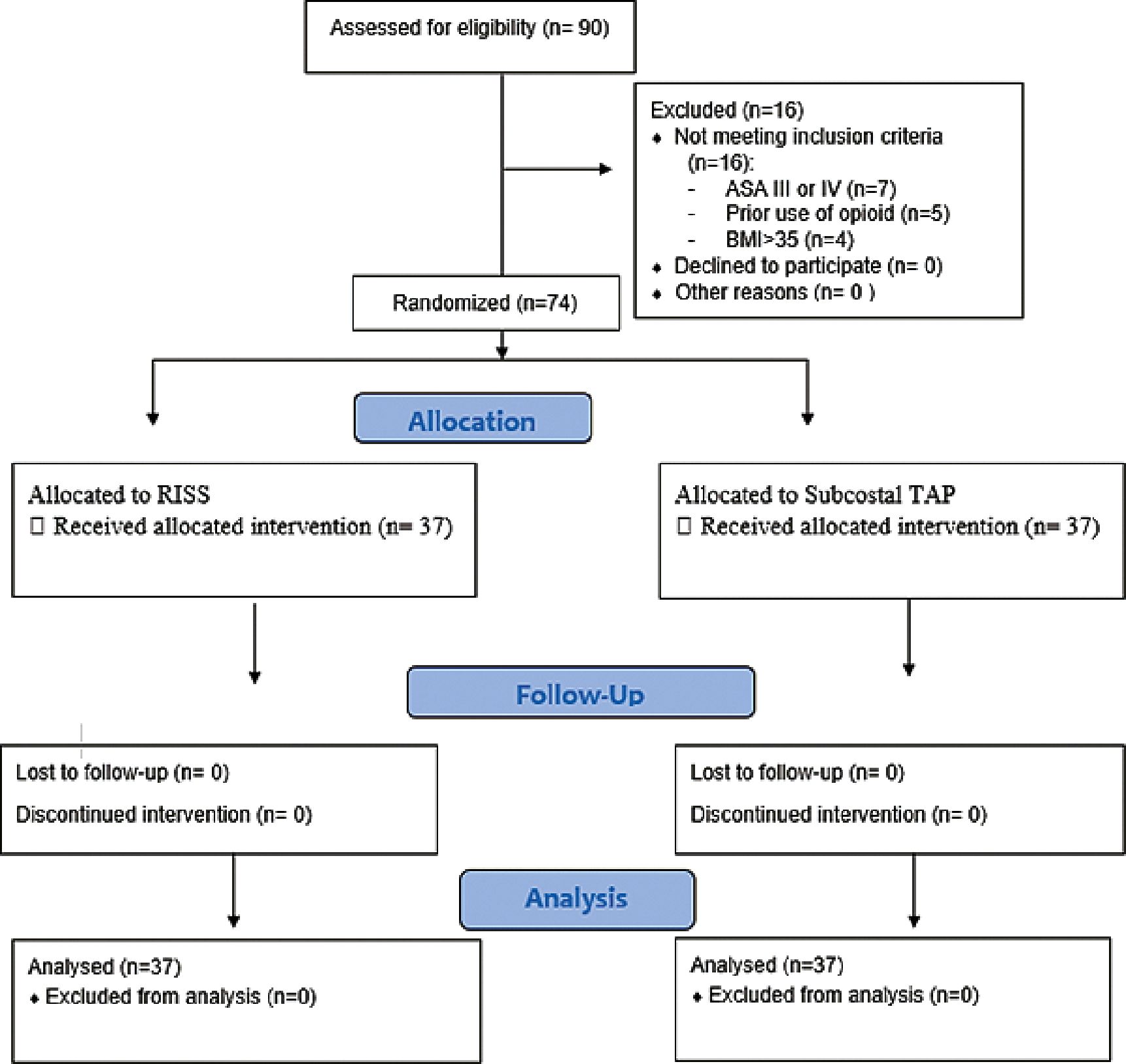
Figure 1. Consort flow chart of the enrolled cases.
Table 1. Demographic and clinical characteristics between the studied groups
| RISS n = 37 | Subcostal TAP n = 37 | P-value | |
|---|---|---|---|
| Age (years) | 55.59 ± 8.54 | 54.32 ± 9.13 | P = 0.539 |
| Sex | |||
| Male | 23 (62.2%) | 23 (62.2%) | P =1.0 |
| Female | 14 (37.8%) | 14 (37.8%) | |
| BMI (kg/m2) | 28.54 ± 3.55 | 28.90 ± 4.05 | P = 0.682 |
| ASA status | |||
| I | 17 (45.9%) | 19 (51.4%) | P = 0.642 |
| II | 20 (54.1%) | 18 (48.6%) | |
| Side of the block: | |||
| – Unilateral | 8 (21.6%) | 10 (27%) | P = 0.588 |
| – Bilateral | 29 (78.4%) | 27 (73%) | |
| Time taken to perform the block (min) | 8.79 ± 2.50 | 4.42 ± 1.14 | P = 0.001* |
*: Significant.
Table 2. Operative characteristics and hospital stay length between the studied groups
| RISS n = 37 | Subcostal TAP n = 37 | P-value | |
|---|---|---|---|
| Duration of surgery (min) | 218.92 ± 76.44 | 206.89 ± 76.57 | P = 0.501 |
| Type of surgery | |||
| – Hepatectomy | 10 (27%) | 11 (29.7%) | |
| – Jejunal mass resction | 1 (2.7%) | 0 (0%) | |
| – Incisional hernia | 5 (13.5%) | 5 (13.5%) | |
| – Choledochoduodenostomy | 4 (10.8%) | 6 (16.2%) | |
| – Gastrectomy | 9 (24.3%) | 7 (18.9%) | P = 0.886 |
| – Open fundoplication | 1 (2.7%) | 1 (2.7%) | |
| – Splenectomy | 0 (0%) | 1 (2.7%) | |
| – Pancreatectomy | 3 (8.1%) | 3 (8.1%) | |
| – Whipple | 4 (10.8%) | 2 (5.4%) | |
| – Hepaticojejunostomy | 0 (0%) | 1 (2.7%) | |
| Type of surgical incision | |||
| – Right subcostal incision | 8 (21.6%) | 9 (24.3%) | |
| – Right subcostal and midline incision | 10 (27.0%) | 11 (29.7%) | P = 0.771 |
| – Midline incision | 15 (40.5%) | 14 (37.8%) | |
| – Left subcostal incision | 0 (.0%) | 1 (2.7%) | |
| – Extended right subcostal incision | 4 (10.8%) | 2 (5.4%) | |
| Length of hospital stay (days) | 6 (3-28) | 4 (1-39) | P = 0.190 |
Discussion
This study compared the analgesic effect of US guided RISS block with subcostal TAP on cumulative morphine consumption at 24 hours in cases undergoing open upper abdominal surgeries.
The current study demonstrated that cumulative morphine consumption at 24 hours was lower in RISS group than subcostal TAP group. Also pain intensity as indicated by VAS, time of first post-operative morphine dose, total intraoperative fentanyl consumption, hemodynamic responses, patient satisfaction, and length of hospital stay were comparable in both groups. In view of these results and the absence of major adverse events, the RISS block appears to be a viable substitute for the subcostal TAP block in open UAS. Its opioid-sparing effect may contribute to smoother recovery and allow cases to regain mobility sooner after the operation.
Several factors support considering the RISS block as an alternative to the subcostal TAP block in open upper abdominal procedures. The RISS block is theoretically able to achieve sensory coverage extending from the third to the 12th thoracic dermatomes, which is broader than the conventional T6-T9 coverage associated with the subcostal TAP block. It also blocks the lateral branches of both ventral and dorsal rami of the intercostal nerves from T3 to T12, whereas the subcostal TAP block mainly anesthetizes the ventral rami between T6 and T9[12],[13].
As far as the authors are aware, this represents the first clinical study to assess and compare RISS with subcostal TAP for perioperative analgesia in cases undergoing open upper abdominal surgical procedures. Moreover, this is the first comparison between them in different types of surgeries.
Yet, there are multiple researches on RISS block. It was used for control of post thoracotomy pain[14], thoracoscopic pain[15]-[17], post mastectomy pain[18],[19], and pain after laparoscopic cholecystectomy[20]. Also one case series evaluated its efficacy in open abdominal surgeries[21].Subcostal TAP blocks have been used in multi-modal analgesic regimes for upper abdominal surgeries[22].
Consistent with our findings, Okmen et al., assessed the use of a unilateral RISS block after laparoscopic cholecystectomy. Their study included fifty cases randomized equally into two groups: a RISS group receiving the block in addition to IV patient-controlled analgesia tramadol, and a control group managed with IV-PCA tramadol alone. They reported a significant reduction in 24-hour tramadol consumption in the RISS group. Pain scores at rest were also lower at 2 and 6 hours in the RISS group, while movement-related NRS values were substantially reduced at 2, 6, and 12 hours post-operatively compared to controls[20].
Table 3. Total intraoperative fentanyl consumption, time of first post-operative morphine dose, cumulative morphine consumption, and patient satisfaction of the studied groups
| RISS n = 37 | Subcostal TAP n = 37 | P-value | |
|---|---|---|---|
| Total intraoperative fentanyl consumption (pg) | 133.24 ± 27.49 | 139.72 ± 26.08 | P = 0.301 |
| Time of first post-operative morphine dose (hours) | 6 (1-24) | 5 (1-24) | P = 0.500 |
| Cumulative morphine consumption (mg) | |||
| At 6 h | 3.71 ± 0.98 | 3.45 ± 0.76 | P = 0.379 |
| At 12 h | 4.67 ± 1.81 | 5.27 ± 1.83 | P = 0.207 |
| At 24 h | 5.97 ± 2.39 | 7.32 ± 2.48 | P = 0.034* |
| Patient Satisfaction | |||
| Very unsatisfied | 1 (2.7%) | 1 (2.7%) | |
| Unsatisfied | 4 (10.8%) | 6 (16.2%) | |
| Fair | 6 (16.2%) | 5 (13.5%) | P = 0.963 |
| Satisfied | 21 (56.8%) | 21 (56.8%) | |
| Very satisfied | 5 (13.5%) | 4 (10.8%) | |
*: Significant.
Table 4. VAS Score at rest and at movement at different time points between the studied groups
| RISS n = 37 | Subcostal TAP n = 37 | P-value | |
|---|---|---|---|
| VAS Score at rest | |||
| 2 h | 2 (0-7) | 2 (1-8) | P = 0.690 |
| 4 h | 2 (0-8) | 3 (2-7) | P = 0.481 |
| 6 h | 3 (0-5) | 3 (2-6) | P = 0.902 |
| 12 h | 3 (0-6) | 4 (2-6) | P = 0.338 |
| 24 h | 3 (2-6) | 4 (2-6) | P = 0.269 |
| Visual analogue Score at movement | |||
| 2 h | 2(0-8) | 2 (1-9) | P = 0.646 |
| 4 h | 3(0-8) | 3 (2-7) | P = 0.734 |
| 6 h | 4(0-6) | 4 (2-6) | P = 0.668 |
| 12 h | 4(0-6) | 5 (2-7) | P = 0.400 |
| 24 h | 4(5-6) | 4 (2-7) | P = 0.09 |
Table 5. Intraoperative hemodynamics among studied groups
| RISS n = 37 | Subcostal TAP n = 37 | P-value | |
|---|---|---|---|
| Heart rate | |||
| Basal preoperative | 86.59 ± 15.94 | 80.38 ± 13.56 | P = 0.08 |
| after 15 min | 74.57 ± 14.09 | 76.84 ± 16.72 | P = 0.530 |
| after 30 min | 75.43 ± 11.84 | 80.65 ± 17.17 | P = 0.133 |
| after 60 min | 76.89 ± 13.42 | 80.68 ± 13.65 | P = 0.233 |
| after 90 min | 79.03 ± 12.52 | 79.46 ± 13.14 | P = 0.885 |
| after 120 min | 80.22 ± 12.52 | 79.13 ± 13.63 | P = 0.717 |
| after 150 min | 77.7 ± 10.62 | 81.50 ± 13.47 | P = 0.236 |
| after 180 min | 78.76 ± 10.82 | 83.23 ± 11.28 | P = 0.155 |
| after 210 min | 77.09 ± 14.18 | 82.31 ± 10.76 | P = 0.225 |
| after 240min | 78.56 ± 15.38 | 84.23 ± 13.39 | P = 0.294 |
| after 270 min | 82.0 ± 10.4 | 90.6 ± 8.99 | P = 0.76 |
| after 300 min | 77.56 ± 16.31 | 92.5 ± 11.18 | P = 0.073 |
| after 330 min | 72.33 ± 8.39 | 83.5 ± 6.03 | P = 0.093 |
| after 360 min | 74.0 ± 11.31 | 87.67 ± 6.66 | P = 0.176 |
| Systolic blood pressure | |||
| Basal preoperative | 138 ± 13.25 | 135.54 ± 13.54 | P = 0.432 |
| after 15 min | 121.86 ± 11.59 | 119.41 ± 14.55 | P = 0.424 |
| after 30 min | 115.95 ± 15.67 | 117.51 ± 20.72 | P = 0.715 |
| after 60 min | 117.7 ± 16.41 | 117.89 ± 12.82 | P = 0.956 |
| after 90 min | 119.92 ± 15.95 | 115.57 ± 15.59 | P = 0.239 |
| after 120 min | 120.03 ± 15.46 | 115.19 ± 17.39 | P = 0.217 |
| after 150 min | 117.67 ± 13.50 | 112.18 ± 11.35 | P = 0.101 |
| after 180 min | 111.8 ± 14.43 | 114.50 ± 13.15 | P = 0.488 |
| after 210 min | 118.82 ± 11.32 | 113.25 ± 12.05 | P = 0.154 |
| after 240min | 108.5 ± 17.53 | 118.08 ± 12.27 | P = 0.102 |
| after 270 min | 114.93 ± 16.84 | 125.5 ± 9.24 | P = 0.119 |
| after 300 min | 119.33 ± 20.27 | 119.83 ± 14.92 | P = 0.960 |
| after 330 min | 108.67 ± 16.92 | 119.25 ± 5.12 | P = 0.279 |
| after 360 min | 113.5 ± 7.78 | 127 ± 5.19 | P = 0.096 |
| Diastolic blood pressure | |||
| Basal preoperative | 82.97 ± 11.23 | 82.41 ± 9.19 | P = 0.813 |
| after 15 min | 77.95 ± 9.88 | 73.08 ± 11.35 | P = 0.053 |
| after 30 min | 71.19 ± 11.34 | 70.78 ± 12.67 | P = 0.885 |
| after 60 min | 72.22 ± 12.29 | 70.16 ± 10.60 | P = 0.444 |
| after 90 min | 73.49 ± 12.60 | 68.68 ± 10.41 | P = 0.08 |
| after 120 min | 72.61 ± 10.41 | 67.51 ± 11.38 | P = 0.051 |
| after 150 min | 71.37 ± 9.98 | 69.39 ± 10.18 | P = 0.459 |
| after 180 min | 67.84 ± 10.11 | 68.96 ± 9.83 | P = 0.690 |
| after 210 min | 71.50 ± 9.04 | 69.06 ± 8.23 | P = 0.400 |
| after 240 min | 64.44 ± 10.07 | 69.46 ± 11.44 | P = 0.206 |
| after 270 min | 66 ± 13.61 | 72.38 ± 13.15 | P = 0.298 |
| after 300 min | 70.44 ± 10.68 | 74.83 ± 13.96 | P = 0.502 |
| after 330 min | 58.33 ± 7.64 | 76.25 ± 11.87 | P = 0.073 |
| after 360 min | 60.50 ± 2.12 | 76.33 ± 9.24 | P = 0.108 |
In a case series performed by Elsharkawy et al., 22 cases underwent major abdominal surgeries and underwent bilateral RISS block either by single shot injection or continuous infusion. The results demonstrated that the RISS block provided consistent post-operative analgesia, with dermatomal coverage ranging from T3 to T12. Participants reported satisfactory pain control, and no instances of LA toxicity or block-related complications were found[21].
In the same line, Kozanhan et al., studied the RISS block and its effect in postoperative analgesia in thoracic surgeries. There were 40 cases in total who were split to 2 equal groups in a random fashion. Group R had IV PCA along with a continuous RISS block, and Group C had IV PCA with no other pain control. Results showed that the use of tramadol and NRS pain scores were significantly lower both at rest and with cough, and at 24 and 48 hours post pain assessment in the RISS group relative to controls. No participant in Group R had to utilize rescue analgesics, and the satisfaction scores of Group R were markedly elevated compared to Group C[14].
Wang et al., performed a comparison of the analgesic effectiveness of RISS blocks and thoracoscopic intercostal nerve blocks with 98 cases who underwent video-assisted thoracic surgery. They reported that the RISS group had notably lower intraoperative and post-operative sufentanil and remifentanil consumption. Furthermore, cases who received RISS blocks also had significantly lower rest-and-cough VAS pain scores at 12, 24, and 48 hours post-operatively as compared to participants who received ICNB[23].
Similarly, Wahdan et al. conducted an RCT involving 60 cases undergoing gynecomastia surgery. Participants were allocated into two groups: the RISS group and the controls. Cases in the RISS group received bilateral US-guided RISS blocks using
40 mL of 0.25% levobupivacaine, whereas controls received routine IV analgesia without regional anesthesia. RISS group required notably less morphine, and rescue analgesia was administered less frequently compared to the controls[24].
Neither group experienced any complications attributable to the block. The study, however, has several limitations. The study was limited by its single-center design and small sample size. Sensory dermatomal mapping and imaging of LA spread were not performed. Catheters use, which could potentially prolong the block duration, was not incorporated. Also surgical variability in type, incision, and procedure length may have influenced block characteristics. Post-operative pulmonary function was not also evaluated. No additives were added to the LA to prolong its effect, and the impact on chronic postsurgical pain was not assessed.
Table 6. Post-operative hemodynamics among studied groups
| RISS n = 37 | Subcostal TAP n = 37 | P-value | |
|---|---|---|---|
| Heart rate | |||
| 2 h | 75 ± 12.53 | 77.95 ± 12.19 | P = 0.309 |
| 4 h | 74.3 ± 10.86 | 79.14 ± 11.81 | P = 0.071 |
| 6 h | 77.11 ± 9.98 | 81.95 ± 11.93 | P =0.062 |
| 12 h | 76.08 ± 12.15 | 81.46 ± 11.32 | P = 0.053 |
| 24 h | 76.35 ± 11.63 | 81.54 ± 11.52 | P = 0.058 |
| SBP | |||
| 2 h | 130.11 ± 13.48 | 126.43 ± 13.92 | P = 0.252 |
| 4 h | 131.0 ± 12.48 | 126.57 ± 14.63 | P = 0.165 |
| 6 h | 131.65 ± 11.83 | 127.73 ± 14.76 | P = 0.212 |
| 12 h | 129.81 ± 10.98 | 129.11 ± 13.96 | P = 0.811 |
| 24 h | 130.19 ± 12.71 | 128.03 ± 12.84 | P = 0.469 |
| DBP | |||
| 2 h | 79.62 ± 9.57 | 77.81 ± 10.52 | P = 0.441 |
| 4 h | 78.03 ± 8.72 | 77.95 ± 10.29 | P = 0.971 |
| 6 h | 79.35 ± 6.54 | 78.03 ± 9.61 | P = 0.490 |
| 12 h | 77.73 ± 8.36 | 80.08 ± 8.22 | P = 0.226 |
| 24 h | 80.05 ± 9.55 | 81.54 ± 9.61 | P = 0.507 |
Conclusion
US-guided RISS is safe and can provide post-operative analgesia comparable in effectiveness to the subcostal TAP block when used in open upper abdominal surgeries.
Referencias
1. Atim A, Bilgin F, Kilickaya O, Purtuloglu T, Alanbay I, Orhan ME, et al. The efficacy of ultrasound-guided transversus abdominis plane block in patients undergoing hysterectomy. Anaesth Intensive Care. 2011 Jul;39(4):630–4. https://doi.org/10.1177/0310057X1103900415PMID: https://pubmed.ncbi.nlm.nih.gov/21823381
2. Reeve JC, Boden I. The physiotherapy management of patients undergoing abdominal surgery. N Z J Physiother. 2016;44(1):254. https://doi.org/10.15619/NZJP/44.1.05.
3. Ahmed A, Latif N, Khan R. Post-operative analgesia for major abdominal surgery and its effectiveness in a tertiary care hospital. J Anaesthesiol Clin Pharmacol. 2013 Oct;29(4):472–7. https://doi.org/10.4103/0970-9185.119137PMID: https://pubmed.ncbi.nlm.nih.gov/24249983
4. Carney J, Finnerty O, Rauf J, Bergin D, Laffey JG, Mc Donnell JG. Studies on the spread of local anaesthetic solution in transversus abdominis plane blocks. Anaesthesia. 2011 Nov;66(11):1023–30. https://doi.org/10.1111/j.1365-2044.2011.06855.xPMID: https://pubmed.ncbi.nlm.nih.gov/21851346
5. Tsai HC, Yoshida T, Chuang TY, Yang SF, Chang CC, Yao HY, et al. Transversus Abdominis Plane Block: An Updated Review of Anatomy and Techniques. BioMed Res Int. 2017;2017:8284363. https://doi.org/10.1155/2017/8284363PMID: https://pubmed.ncbi.nlm.nih.gov/29226150
6. Hebbard PD, Barrington MJ, Vasey C. Ultrasound-guided continuous oblique subcostal transversus abdominis plane blockade: description of anatomy and clinical technique. Reg Anesth Pain Med. 2010;35(5):436–41. https://doi.org/10.1097/AAP.0b013e3181e66702PMID: https://pubmed.ncbi.nlm.nih.gov/20830871
7. Saravanan R, Venkatraman R, Karthika U. Comparison of Ultrasound-Guided Modified BRILMA Block with Subcostal Transversus Abdominis Plane Block for Postoperative Analgesia in Laparoscopic Cholecystectomy – A Randomized Controlled Trial. Local Reg Anesth. 2021 Jul;14:109–16. https://doi.org/10.2147/LRA.S316320PMID: https://pubmed.ncbi.nlm.nih.gov/34239324
8. Niraj G, Kelkar A, Jeyapalan I, Graff-Baker P, Williams O, Darbar A, et al. Comparison of analgesic efficacy of subcostal transversus abdominis plane blocks with epidural analgesia following upper abdominal surgery. Anaesthesia. 2011 Jun;66(6):465–71. https://doi.org/10.1111/j.1365-2044.2011.06700.xPMID: https://pubmed.ncbi.nlm.nih.gov/21457153
9. Elsharkawy H, Pawa A, Mariano ER. Interfascial Plane Blocks: back to Basics. Reg Anesth Pain Med. 2018 May;43(4):341–6. https://doi.org/10.1097/AAP.0000000000000750PMID: https://pubmed.ncbi.nlm.nih.gov/29561295
10. Zhao Y, Zhang HY, Yuan ZY, Han Y, Chen YR, Liu QL, et al. Analgesic efficacy of postoperative bilateral, ultrasound-guided, posterior transversus abdominis plane block for laparoscopic colorectal cancer surgery: a randomized, prospective, controlled study. BMC Anesthesiol. 2021 Apr;21(1):107. https://doi.org/10.1186/s12871-021-01317-6PMID: https://pubmed.ncbi.nlm.nih.gov/33823786
11. Huang L, Zheng L, Zhang J, Zhu X, Pan L, Zhang Y, et al. Transmuscular quadratus lumborum block versus oblique subcostal transversus abdominis plane block for analgesia in laparoscopic hysterectomy: a randomised single-blind trial. BMJ Open. 2021 Aug;11(8):e043883. https://doi.org/10.1136/bmjopen-2020-043883PMID: https://pubmed.ncbi.nlm.nih.gov/34376438
12. Elsharkawy H, Maniker R, Bolash R, Kalasbail P, Drake RL, Elkassabany N. Rhomboid Intercostal and Subserratus Plane Block: A Cadaveric and Clinical Evaluation. Reg Anesth Pain Med. 2018 Oct;43(7):745–51. https://doi.org/10.1097/AAP.0000000000000824PMID: https://pubmed.ncbi.nlm.nih.gov/30169476
13. Hebbard P. Subcostal transversus abdominis plane block under ultrasound guidance. Anesth Analg. 2008 Feb;106(2):674–5. https://doi.org/10.1213/ane.0b013e318161a88fPMID: https://pubmed.ncbi.nlm.nih.gov/18227342
14. Kozanhan B, Semerkant T, Esme H, Canitez A, İyisoy MS. Evaluation of rhomboid intercostal and subserratus plane block under direct vision for postoperative analgesia in thoracic surgeries: a prospective, randomized controlled trial. Eur J Cardiothorac Surg. 2022 Nov;62(6):ezac498. https://doi.org/10.1093/ejcts/ezac498PMID: https://pubmed.ncbi.nlm.nih.gov/36218395
15. Deng W, Hou XM, Zhou XY, Zhou QH. Rhomboid intercostal block combined with sub-serratus plane block versus rhomboid intercostal block for postoperative analgesia after video-assisted thoracoscopic surgery: a prospective randomized-controlled trial. BMC Pulm Med. 2021 Feb;21(1):68. https://doi.org/10.1186/s12890-021-01432-7PMID: https://pubmed.ncbi.nlm.nih.gov/33632189
16. Deng W, Liu F, Jiang CW, Sun Y, Shi GP, Zhou QH. Continuous Rhomboid Intercostal Block for Thoracoscopic Postoperative Analgesia. Ann Thorac Surg. 2022 Jul;114(1):319–26. https://doi.org/10.1016/j.athoracsur.2021.06.068PMID: https://pubmed.ncbi.nlm.nih.gov/34339669
17. Zhang JG, Jiang CW, Deng W, Liu F, Wu XP. Comparison of Rhomboid Intercostal Block, Erector Spinae Plane Block, and Serratus Plane Block on Analgesia for Video-Assisted Thoracic Surgery: A Prospective, Randomized, Controlled Trial. Int J Clin Pract. 2022 Jun;2022(1):6924489. https://doi.org/10.1155/2022/6924489PMID: https://pubmed.ncbi.nlm.nih.gov/35832798
18. Altıparmak B, Korkmaz Toker M, Uysal AI, Dere Ö, Uğur B. Evaluation of ultrasound-guided rhomboid intercostal nerve block for postoperative analgesia in breast cancer surgery: a prospective, randomized controlled trial. Reg Anesth Pain Med. 2020 Apr;45(4):277–82. https://doi.org/10.1136/rapm-2019-101114PMID: https://pubmed.ncbi.nlm.nih.gov/32079739
19. Jiang CW, Liu F, Zhou Q, Deng W. Comparison of rhomboid intercostal nerve block, erector spinae plane block and serratus plane block on analgesia for modified radical mastectomy: A prospective randomised controlled trial. Int J Clin Pract. 2021 Oct;75(10):e14539. https://doi.org/10.1111/ijcp.14539PMID: https://pubmed.ncbi.nlm.nih.gov/34133831
20. Ökmen K, Gürbüz H, Özkan H. Application of unilateral rhomboid intercostal and subserratus plane block for analgesia after laparoscopic cholecystectomy: a quasi-experimental study. Korean J Anesthesiol. 2022 Feb;75(1):79–85. https://doi.org/10.4097/kja.21229PMID: https://pubmed.ncbi.nlm.nih.gov/34283910
21. Elsharkawy H, Hamadnalla H, Altinpulluk EY, Gabriel RA. Rhomboid intercostal and subserratus plane block -a case series. Korean J Anesthesiol. 2020 Dec;73(6):550–6. https://doi.org/10.4097/kja.19479PMID: https://pubmed.ncbi.nlm.nih.gov/32046475
22. Soliz JM, Lipski I, Hancher-Hodges S, Speer BB, Popat K. Subcostal Transverse Abdominis Plane Block for Acute Pain Management: A Review. Anesth Pain Med. 2017 Oct;7(5):e12923. https://doi.org/10.5812/aapm.12923PMID: https://pubmed.ncbi.nlm.nih.gov/29696110
23. Wang S, Wang H, Chen X, Li M, Xu D. Ultrasound-Guided Continuous Rhomboid Intercostal and Sub-Serratus Plane Block Comparison of Thoracoscopic Intercostal Nerve Block After Thoracoscopic Surgery: A Prospective Randomized Controlled Study. J Pain Res. 2024 Dec;17:4471–81. https://doi.org/10.2147/JPR.S484092PMID: https://pubmed.ncbi.nlm.nih.gov/39726901
24. Wahdan AS, Loza GE, Alayyaf HA, Wahdan WS, Salama AK, Mohamed MM. Effectiveness of ultrasound-guided rhomboid intercostal and sub-serratus block for perioperative analgesia in male patients undergoing combined power-assisted liposuction with pull-through excision of the gland for breast definition and reshaping. Minerva Anestesiol. 2024;90(7-8):626–34. https://doi.org/10.23736/S0375-9393.24.17985-0PMID: https://pubmed.ncbi.nlm.nih.gov/39021138